Design-to-Code Isn't Failing Because of Complexity. It's Failing Because of Coherence.

Marcello Cultrera
Founder, CodeFlow Lab
We Keep Blaming "Complex UIs."
But that's not the real problem.
Most AI design-to-code tools don't fail because your layout is sophisticated.
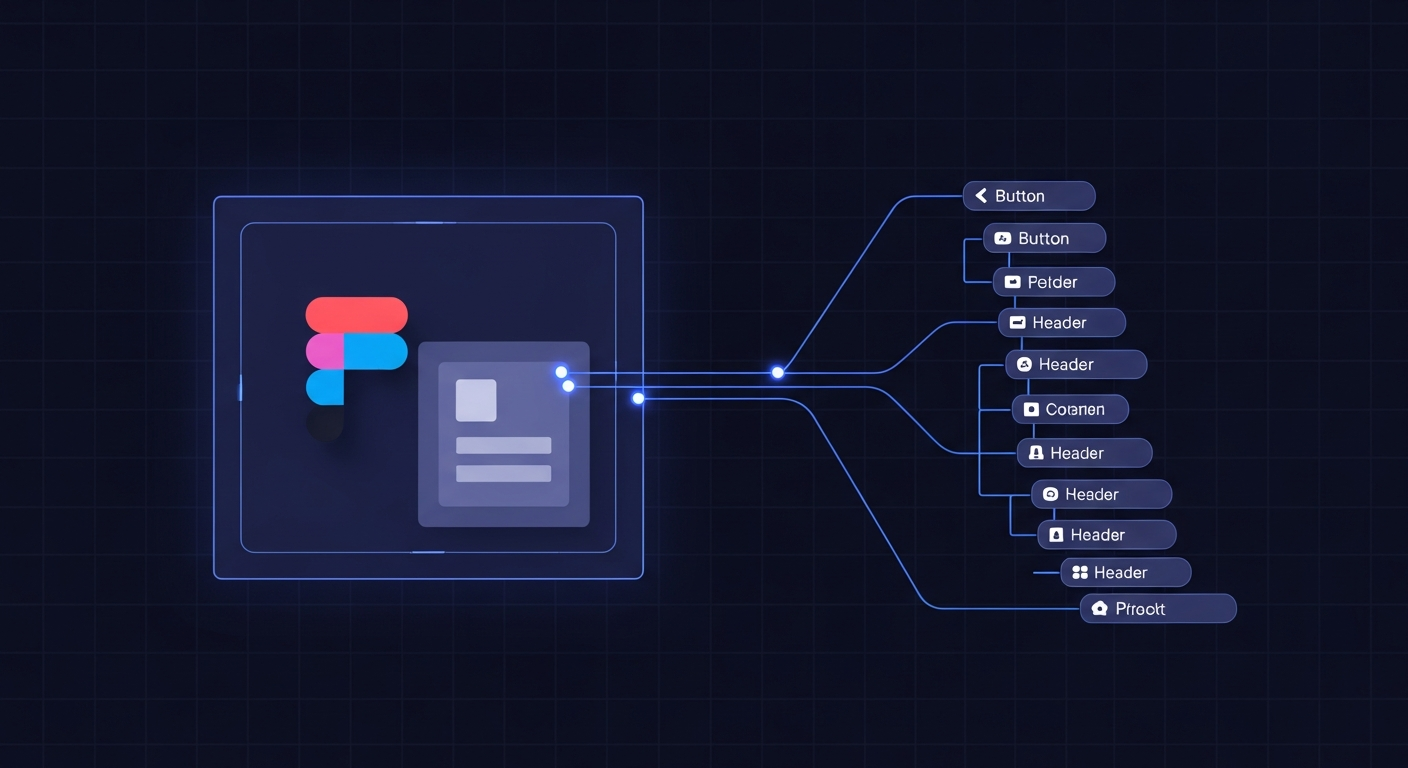
They fail because they treat your Figma file like a flat image. Pixels in. Code out. No structure. No memory. No intent.
So What Happens?
You tweak spacing. Regenerate.
A token changes. Regenerate.
A component evolves. Regenerate.
And suddenly your layout drifts. Hardcoded values creep in. Constraints disappear.
You're diffing chaos.
It's not a generation issue. It's an entropy problem.
When you flatten a scene graph into pixels, you lose hierarchy, auto-layout rules, design tokens, component boundaries. The model guesses. And guesses compound.
A Better Approach
A better approach is less magical and more boring:
Treat Figma like a compiler would.
Now regeneration is stable. Design changes map cleanly to code changes. Constraints are enforced.
The AI doesn't get "creative" with your layout. It's less wizardry. But it's more trustworthy.
The Insight
Design-to-code doesn't need more intelligence. It needs more coherence.
Automation isn't about producing code once. It's about producing it again — without drift.
Where Does Drift Hurt You Most?
Curious — where does drift hit your workflow hardest?
These aren't edge cases. They're the default outcome when there's no intermediate representation preserving the design's semantic structure.
Let's Talk About the Real Failure Mode
If this resonates, I'd love to hear where coherence breaks down in your pipeline.
marcello.cultrera@code-flow-lab.com
Comments (0)
No comments yet. Be the first to share your thoughts!
Previous Article
The AI Coherence Problem — and Why We Built a Compiler Instead of a Generator
Next Article